
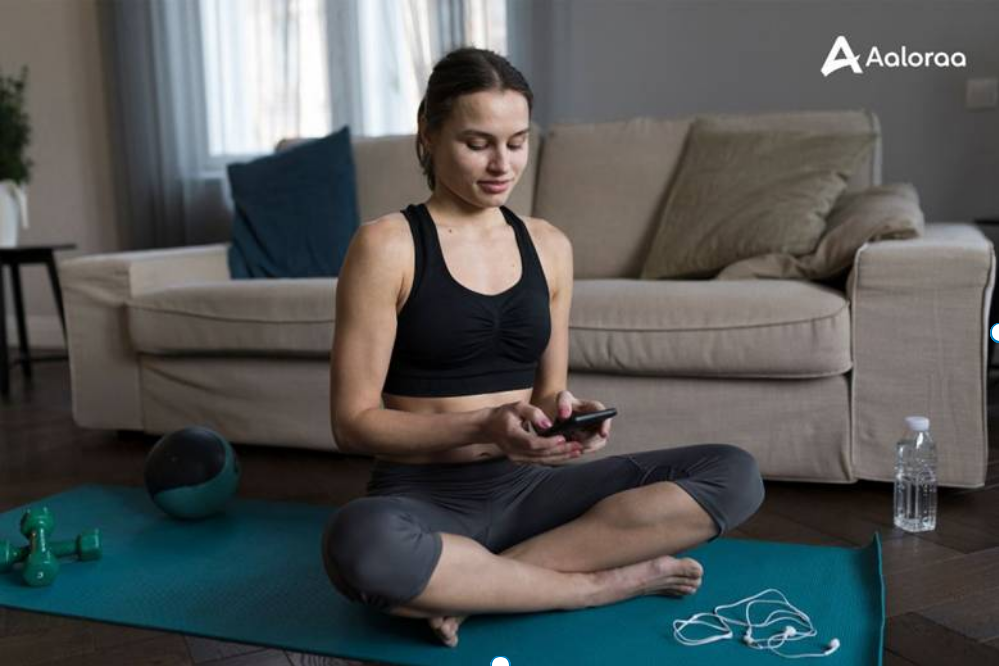
Wellness is more than simply staying physically healthy. It is a complete balance of mental, emotional, physical, and social well-being. In today’s fast-moving world, people often focus heavily on work, responsibilities, and digital activities while ignoring their personal health and inner peace. As lifestyles become increasingly stressful, wellness has become one of the most important aspects of maintaining a happy and balanced life.
Modern wellness is about creating healthy habits that improve quality of life over time. Small daily routines such as eating nutritious meals, exercising regularly, sleeping properly, and managing stress can significantly improve overall well-being. Wellness is not about perfection or extreme routines. It is about consistency, balance, and self-care.
Many individuals now recognize that success and happiness are closely connected to physical and emotional health. Without proper wellness, stress and exhaustion can affect productivity, relationships, and long-term health. Prioritizing wellness allows people to enjoy more energy, mental clarity, and emotional stability in everyday life.
Physical Wellness and Healthy Living
Physical wellness plays a major role in overall health. Regular exercise helps improve cardiovascular strength, flexibility, endurance, and body balance. Activities such as walking, yoga, swimming, cycling, and strength training all support healthier lifestyles.
Nutrition is equally important for maintaining physical wellness. Balanced diets that include vegetables, fruits, proteins, healthy fats, and whole grains provide essential nutrients for the body. Proper nutrition improves energy levels, concentration, and immune system function.
Hydration is another important factor that people often ignore. Drinking enough water throughout the day supports digestion, circulation, and mental focus. Simple lifestyle habits such as proper hydration and regular movement can create long-term health benefits.
Sleep also plays a critical role in wellness. Lack of sleep affects mood, productivity, concentration, and overall health. Most adults require seven to eight hours of quality sleep to allow the body and mind to recover properly.
Mental and Emotional Wellness
Mental wellness has become increasingly important in modern society. Busy schedules, social pressure, and constant digital connectivity often create stress and emotional fatigue. Many individuals struggle with anxiety, burnout, and lack of balance because they rarely take time to relax mentally.
Mindfulness practices help improve emotional well-being and reduce stress levels. Meditation, breathing exercises, journaling, and spending time outdoors help individuals feel calmer and more focused. These activities encourage self-awareness and emotional control.
Positive thinking and emotional resilience are also important parts of wellness. People who manage stress effectively often experience stronger confidence and healthier relationships. Emotional wellness allows individuals to handle challenges more calmly and make better decisions during difficult situations.
Building supportive relationships is another essential part of emotional health. Spending time with family, friends, and positive social groups improves emotional stability and reduces feelings of loneliness.
In modern urban lifestyle culture and entertainment-focused communities, platforms such as Jammu call girls also reflect how digital interaction and nightlife experiences continue shaping social behavior in large cities.
The Connection Between Wellness and Technology
Technology has greatly influenced modern wellness habits. Smartphones, social media, and digital communication tools provide convenience, but excessive usage can negatively affect mental and physical health.
Many people spend long hours using screens for work, entertainment, and communication. Excessive screen time often contributes to eye strain, sleep problems, reduced physical activity, and mental exhaustion. Creating healthy digital boundaries has become essential for maintaining balance.
Digital detox routines are becoming increasingly popular among individuals seeking mental relaxation. Reducing unnecessary social media usage and spending more time offline can improve emotional clarity and reduce stress.
Wellness apps and online fitness programs are also helping people improve their health routines. Guided workouts, meditation sessions, sleep tracking, and nutrition planning tools provide accessible support for healthier lifestyles.

Wellness Through Exercise and Outdoor Activities
Outdoor activities play a major role in wellness and relaxation. Spending time in nature helps reduce anxiety while improving emotional balance. Parks, beaches, forests, and mountain environments provide peaceful surroundings that support mental clarity.
Exercise not only improves physical fitness but also boosts emotional health. Physical activity releases endorphins, which naturally improve mood and reduce stress. People who maintain active lifestyles often experience higher confidence and stronger emotional resilience.
Group fitness activities such as yoga classes, sports, dance training, and outdoor adventures also encourage social interaction and motivation. Exercising with others creates positive environments that support both mental and physical wellness.
Lifestyle and nightlife culture in metropolitan areas continue evolving alongside digital communities, including services such as Mumbai call girls, which are often associated with broader urban entertainment experiences.
Nutrition and Healthy Lifestyle Choices
Healthy nutrition remains one of the foundations of wellness. Modern fast-food culture and unhealthy eating habits often contribute to fatigue, obesity, and long-term health problems. Balanced meals provide the body with the nutrients required for proper functioning.
Many people now focus on healthier eating patterns that support both physical and mental performance. Fresh foods, natural ingredients, and mindful eating habits are becoming increasingly popular among wellness-focused individuals.
Avoiding excessive sugar, processed foods, and unhealthy fats can significantly improve energy levels and overall health. Small dietary changes often produce noticeable long-term benefits.
Wellness also includes maintaining healthy daily routines. Organized schedules, proper rest, time management, and stress control all contribute to stronger emotional and physical balance.
The Growth of the Wellness Industry
The wellness industry has expanded rapidly in recent years. Fitness centers, meditation programs, spa retreats, wellness tourism, and self-care products continue attracting global audiences. Many individuals now invest more in health-related experiences and personal well-being.
Wellness tourism has become especially popular as people seek relaxation-focused travel experiences. Nature retreats, yoga vacations, spa resorts, and mindfulness programs provide opportunities for recovery and mental refreshment.
Digital wellness influencers and content creators have also contributed to growing awareness about healthy living. Social media platforms now feature large communities focused on fitness, nutrition, meditation, and self-improvement.
Urban entertainment and social lifestyle services, including Oklute Brazile Escorts, are also part of the broader digital culture influencing modern nightlife and lifestyle trends in major cities.
The Future of Wellness
The future of wellness will continue evolving alongside technology and changing lifestyles. Artificial intelligence, wearable health devices, and personalized wellness programs are already transforming how people monitor and improve their health.
Mental health awareness is expected to grow even further as society becomes more open about emotional well-being. Companies and workplaces are increasingly recognizing the importance of employee wellness and work-life balance.
Individuals are also becoming more conscious about self-care, healthy habits, and emotional stability. Wellness is gradually shifting from a luxury concept to a necessary part of modern life.
Conclusion
Wellness is essential for maintaining a healthy, balanced, and fulfilling life. Physical fitness, emotional stability, mental clarity, and healthy relationships all contribute to overall well-being. In today’s stressful and digitally connected world, prioritizing wellness has become more important than ever.
Simple daily habits such as exercise, healthy eating, proper sleep, stress management, and mindful living can create long-term improvements in both physical and emotional health. Wellness is not about temporary trends or extreme routines. It is about creating sustainable habits that support happiness, confidence, and long-term quality of life.
By focusing on wellness consistently, individuals can improve their energy, productivity, relationships, and overall satisfaction while building healthier and more meaningful lifestyles.


